Archive for
Book Review: “The Way of Dante: Going Through Hell, Purgatory, and Heaven with C.S. Lewis, Dorothy L. Sayers, and Charles Williams” by Richard Hughes Gibson
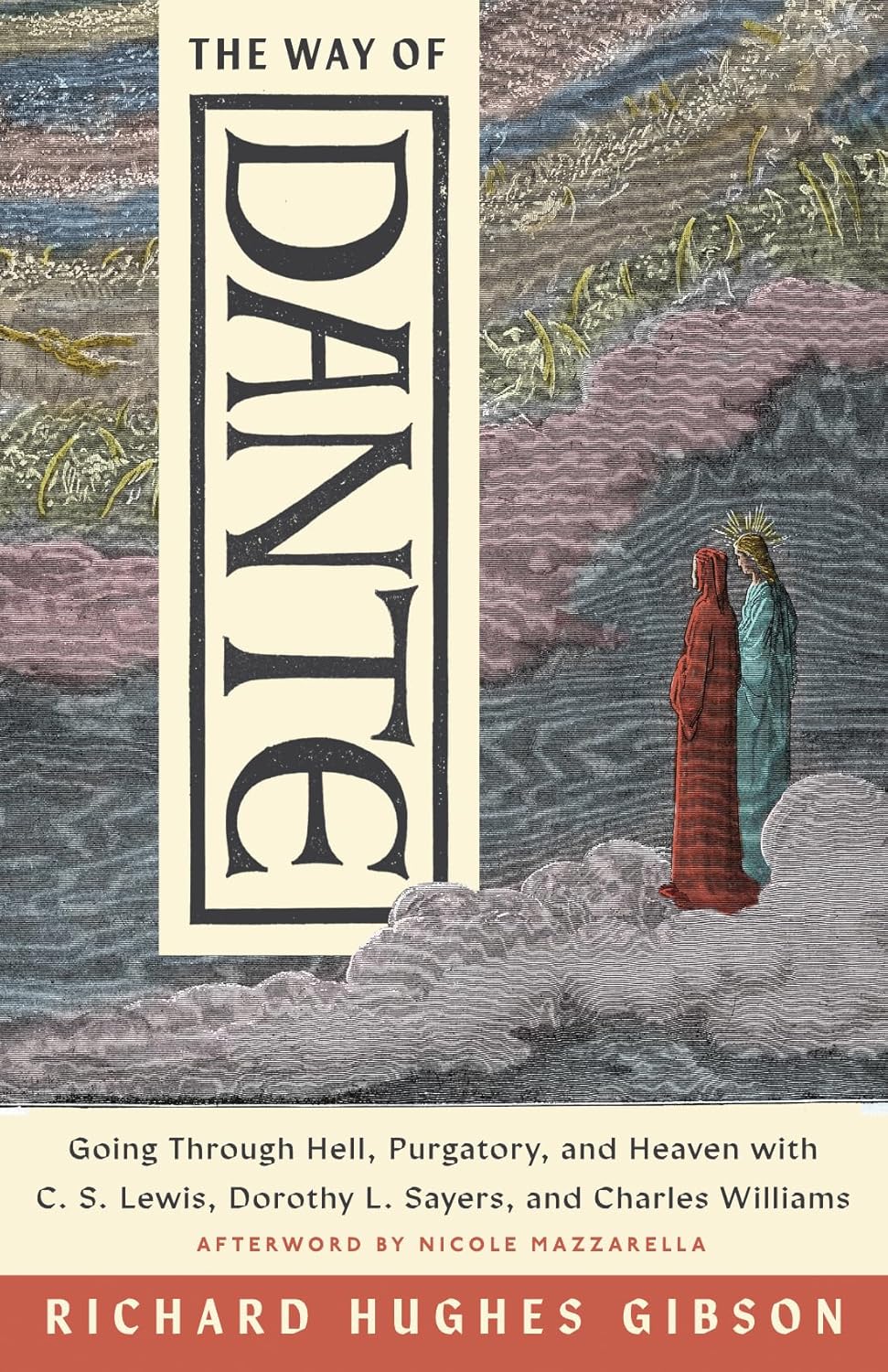
The Way of Dante explores how Dante’s works influenced C.S. Lewis, Dorothy L. Sayers, and Charles Williams. Richard Hughes Gibson leads readers through an introduction to these thinkers, followed by a number of chapters highlighting each and how Dante inspired them.
Gibson leads readers across a wide array of topics related to these authors. The topics relate directly to the notions of hell, purgatory, and heaven (as noted in the book’s subtitle). Readers are presented with the writers’ wide array of thoughts and interactions on these topics, from reflections on the concept of hell to how a concept of the glory of heaven might be most adequately described.
By way of critique, I would note that I think the book is a bit in search of its audience. Gibson seems to assume at least some amount of background knowledge not just of Dante’s works but also of scholarship related to all of the authors mentioned. This assumption of background knowledge allows Gibson to dive into deeper themes more quickly, but can leave the reader feeling a bit lost without guidance. For example, a whole chapter dedicated to allegory notes not just the use of allegory in Dante, but also interplay between authors Sayers and Lewis on the topic of allegory. But readers are mostly left to their own devices to know the finer points of what the debate is even about. Also, because the book is exploring the interactions between three major Christian thinkers and Dante, there’s a necessary brevity to the points Gibson makes. But this brevity surely makes the book less useful to the scholar (the one with all the relevant background necessary to understand or know all the references being made) who may be looking for deeper insights. In short, the book leaves readers to dive into the deep end, sink or swim.
The Way of Dante touches on a lot of interesting themes. Readers will find quite a bit to digest here, though it can feel disorienting at times with the way the information is presented.
SDG.

 J.W. Wartick - Reconstructing Faith